Binary code can feel abstract at first, but the right game turns it into a simple, hands-on puzzle kids can actually enjoy.
In this roundup, we focus on the best binary coding games for children that make early coding concepts more approachable through play, activities, and beginner-friendly challenges.
Best 10 Binary Coding Games for Children Picks for 2026
Visual Coding Guide
Help Your Kids with Computer Coding

- Starts with binary code and basic coding concepts
- Build-along projects in Scratch and Python
- Strong visual format for parent-child learning
Best For: Families wanting a guided bridge from binary basics to beginner coding
Unplugged Activity Book

- 40 no-computer binary activity sheets
- Ages 7 to 12 focus
- Mixes coding, coloring, and logic tasks
Best For: Young learners who want screen-free binary practice
Game-Based Coding Book
Computer Coding Games for Kids

- Game-focused coding book for kids
- Published by DK Children
- Good introductory educational format
Best For: Families seeking a broad kid-friendly coding book with a game theme
Holiday Binary Activity Pack
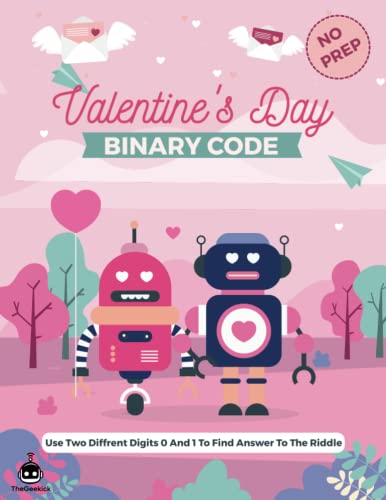
- No-prep binary-to-alphabet activities
- Works without a computer
- Includes holiday trivia and STEM use
Best For: Teachers or parents wanting a themed binary activity for grades 2+
Game-Based Coding Starter
Programming Games and Animation

- Uses games and animation to teach coding basics
- Includes self-directed online activities
- Covers algorithms, bugs, apps, and testing
Best For: Beginners who learn best through game and animation examples
No-Computer Binary Activity

- Decodes binary through coloring activities
- No computer required for easy use
- Ages 6 to 12 with Halloween-themed pages
Best For: Kids who want a hands-on, screen-free binary introduction
Scratch Coding Guide

- Step-by-step Scratch lessons for beginners
- Includes animation and multiple game projects
- Explains blocks, interface, and basic coding terms
Best For: Kids ready for a guided Scratch coding introduction
Holiday coloring-based intro
Christmas Binary Code - Holiday Coloring Book for Kids

- Binary code activities with coloring
- Christmas vocabulary and A-to-Z words
- No computer required for beginners
Best For: children, classrooms, and festive beginner coding practice
Puzzle-led beginner binary practice
Knock-Knock Binary Jokes - Beginner Coding Puzzle Book

- 50 binary joke and riddle activities
- Coloring pages plus answer key included
- Parent-child guide and beginner terms
Best For: ages 8-12 who enjoy jokes, riddles, and puzzle-style coding practice
Craft-based binary learning
St. Patrick’s Binary Beading - Craft Coding Activity Book

- Binary code bracelet and necklace crafts
- No-prep, no-computer activity book
- Built for math, logic, and creativity
Best For: craft-loving kids, classroom centers, and hands-on coding introductions
Visual Coding Guide – Help Your Kids with Computer Coding
If you want one of the more structured binary coding games for children that also grows into real coding, this DK guide is a strong pick. It starts with binary code and moves into Scratch and Python with step-by-step visual projects, so kids can learn by building games, animations, mazes, and shapes rather than only reading definitions.
Best For: Parents and kids who want a visual, hands-on introduction that progresses from binary concepts into beginner programming projects.
Pros:
- Explains binary code alongside scripts, variables, and strings in a kid-friendly format.
- Includes seven build-along projects with instant results for beginners.
- Covers Scratch and Python with clear visual examples and glossary support.
- Designed for adults and kids to learn together at home.
Cons:
- Requires a desktop or laptop plus internet access for the coding setup.
- More of a guided learning book than a quick standalone game.
Overall, this is a practical choice if you want a visual coding book that starts with fundamentals and becomes a fuller programming introduction. It is best when you want children to move beyond binary puzzles and into actual coding projects.
Unplugged Activity Book – Binary Coding for Kids
This is a straightforward pick if you want binary coding games for children without a screen or computer. The book uses 40 activity sheets and a coloring-book style approach to help kids ages 7 to 12 practice binary language through drawing, directions, path-finding, and word-building with 0s and 1s.
Best For: Kids ages 7 to 12 who learn best with hands-on, no-computer activities.
Pros:
- Contains 40 activity sheets focused on binary language practice.
- No prep and no computer required.
- Uses fun tasks like drawing, direction-following, and word decoding.
- Includes a coloring-book element to keep activities engaging.
Cons:
- Limited to binary basics rather than broader coding topics.
- Shorter format at 52 pages.
For a simple, low-friction introduction to binary, this book works well as an educational activity set. It is especially useful when you want a quick STEM-style workbook that children can complete independently or in small groups.
Game-Based Coding Book – Computer Coding Games for Kids
For shoppers comparing binary coding games for children with a broader coding introduction, this DK title is aimed at game-based learning. While the provided notes are sparse, the title and format suggest a kid-friendly coding resource built around games rather than dense technical explanation.
Best For: Families looking for a child-friendly coding book centered on game-style learning.
Pros:
- Created as a games-focused coding book for kids.
- Published by DK Children, a familiar educational brand.
- Substantial print size suggests a workbook-style learning resource.
- Likely suited to introductory coding exploration.
Cons:
- The supplied notes do not include project details or topic breakdowns.
- No explicit mention of binary-specific activities in the available information.
This is a reasonable option if you want a child-oriented coding title and prefer a game-led approach. Because the notes are limited, it is best chosen for its broad educational framing rather than for detailed binary content.
Holiday Binary Activity Pack – Valentine's Day Binary Code
If you want binary coding games for children that work as a themed classroom or party activity, this Valentine’s Day workbook fits the bill. It offers no-prep binary-to-alphabet exercises using 0s and 1s, plus trivia questions at the end, making it easy to turn a holiday theme into a STEM learning session.
Best For: Teachers, parents, and party organizers who want a themed binary code activity for grades 2 and up.
Pros:
- No computer required and designed as a no-prep activity.
- Includes multiple binary code exercises converting binary to alphabet.
- Recommended for grades 2 and up.
- Works for individual work, pairs, or classroom centers.
Cons:
- Holiday theme makes it more specialized than a general-purpose workbook.
- Focused on binary decoding rather than broader programming skills.
Overall, this is best when you want a festive, ready-to-use binary activity rather than a full coding curriculum. The themed format makes it especially appealing for classroom events and seasonal learning.
Game-Based Coding Starter – Programming Games and Animation
If you’re looking for binary coding games for children, this book takes a broader beginner-friendly approach by showing how code brings games and animation to life. It introduces core ideas like algorithms, bugs, apps, and game testing through practical, self-directed activities that kids can do online with the book’s link.
Best For: Kids who want a simple, activity-based introduction to programming concepts through games and animation.
Pros:
- Explains coding through real-world game and animation examples.
- Includes fun online activities for hands-on learning.
- Covers beginner basics like algorithms, bugs, and apps.
- Self-directed format supports independent practice.
Cons:
- Not focused specifically on binary code activities.
- Requires access to the linked online activities.
- Better for broad coding foundations than single-topic drills.
This is a solid choice for families who want an approachable coding book that connects programming concepts to games kids already understand. It works best as an introductory guide rather than a narrowly focused binary exercise book.
No-Computer Binary Activity – Halloween Binary Code
This Halloween-themed option is a strong pick if you want binary coding games for children that do not require a computer. Kids decode binary words and color the matching images, making it a hands-on way to introduce how computers process information while keeping the activity fun and seasonal.
Best For: Ages 6 to 12 who enjoy coloring activities and need a no-computer introduction to binary code.
Pros:
- Teaches binary code through coloring and decoding.
- No computer required, so it’s easy for classroom or party use.
- Builds problem-solving, critical thinking, patience, and persistence.
- Includes Halloween-themed pages with a creative twist.
Cons:
- Theme is Halloween-focused, even though it can be used year-round.
- More of an activity book than a full programming course.
- Best suited to introductory-level binary practice.
For parents and teachers who want a low-prep binary activity, this book delivers a simple, engaging format that combines decoding with coloring. It is especially useful when you want an accessible introduction to basic computer concepts without screen time.
Scratch Coding Guide – Coding Games for Kids
If you’re comparing binary coding games for children, this book leans toward a more complete Scratch-based coding introduction. It walks kids through Scratch basics, interface tools, animation features, and game projects, with examples that help beginners build confidence step by step.
Best For: Young beginners who want to learn Scratch while making animations and simple games.
Pros:
- Step-by-step explanations make Scratch approachable for beginners.
- Covers Scratch blocks, interface, shortcuts, and basic programming terms.
- Includes multiple game examples such as Rock, Paper, Scissors and Balloon Popper.
- Balances animation lessons with game-building practice.
Cons:
- Focuses on Scratch rather than binary code specifically.
- Content is broad, so readers wanting only binary activities may find it too general.
- Best for kids ready for guided coding lessons rather than quick puzzles.
This is a practical pick if you want a structured beginner coding book that moves beyond isolated coding games into actual Scratch creation. It offers more depth for kids who are ready to learn both how coding works and how to use it to make projects.
Holiday coloring-based intro – Christmas Binary Code – Holiday Coloring Book for Kids
If you’re looking for binary coding games for children that mix learning with hands-on fun, this Christmas-themed coloring book is a simple pick. Kids decode binary sequences, color the matching images, and build early computer concepts without needing a computer.
Best For: Kids, classrooms, and families who want a festive, no-prep way to introduce binary code while also practicing problem-solving and vocabulary.
Pros:
- Teaches binary code through coloring and decoding activities
- Includes Christmas vocabulary from A to Z
- No computer required, making it easy for home or classroom use
- Supports problem-solving, critical thinking, and creativity
Cons:
- Holiday theme may feel seasonal, even though it can be used year-round
- Best suited to children who enjoy coloring-based activities
This book is a practical choice if you want an approachable introduction to binary code that also keeps children engaged with festive artwork. It leans more toward playful learning than deep programming practice, which makes it ideal for beginners.
Puzzle-led beginner binary practice – Knock-Knock Binary Jokes – Beginner Coding Puzzle Book
For parents browsing binary coding games for children, this joke-and-riddle book offers a playful way to practice decoding. Kids reveal hidden binary jokes, color the images, and get a beginner-friendly introduction to binary code without needing any computer.
Best For: Kids ages 8-12, especially those who like jokes, riddles, and structured activities that introduce coding basics in a light way.
Pros:
- Combines binary decoding with knock-knock jokes and riddles
- Includes 50 activities, 50 coloring images, and an answer key
- Provides a parent-and-child guide plus beginner coding terms
- Focuses on problem-solving, critical thinking, and persistence
Cons:
- Theme is Christmas-focused, though the book says it can be used year-round
- More puzzle-based than traditional coding instruction
- Best fit for kids who enjoy reading and jokes alongside the activities
This is a good pick if you want a coding-themed activity book that feels more like a game than a lesson. The structure is clear and beginner-friendly, making it a strong choice for introducing binary concepts in a fun format.
Craft-based binary learning – St. Patrick’s Binary Beading – Craft Coding Activity Book
If you want binary coding games for children that turn code into something they can wear, this St. Patrick’s Day craft book is a creative option. Kids translate binary digits into bracelet or necklace designs, making the basics of coding feel tangible and social.
Best For: Children who learn best through crafts, classroom centers, or group activities that connect coding with hands-on making.
Pros:
- Turns binary code into bracelet and necklace crafting
- No prep and no computer required
- Works for individual, pair, or center activities
- Supports math, logic, computer basics, and creativity
Cons:
- St. Patrick’s Day theme may feel seasonal in presentation
- Best for kids who enjoy craft-based learning more than worksheet-style activities
This book stands out for making binary code feel physical and social, not just symbolic. It’s a smart choice if you want a craft-first activity that still introduces core coding ideas in a friendly way.
How We Picked the Best Binary Coding Games for Children
We looked for Binary Coding Games for Children that are age-appropriate, easy to understand, and useful for introducing core ideas like patterns, symbols, decoding, and logical thinking. We also favored products that work well for home learning, classrooms, parties, or screen-free activities.
Clear instructions, engaging formats, and a low barrier to entry mattered most. We prioritized options that help children learn by doing rather than by memorizing technical terms.
Quick Comparison
Some picks are book-based and better for step-by-step learning, while others are activity sheets, holiday-themed games, or crafts that fit group settings. If you want a structured introduction, choose a guide or workbook. If you want fast, playful practice, choose coloring, beading, or party-style activities.
Key Buying Factors for Binary Coding Games for Children
Age and Reading Level
Choose a product that matches your child’s developmental stage. Younger children usually do best with visual cues, simple decoding tasks, and guided activities, while older kids can handle more explanation and independent problem-solving.
Learning Style
Think about whether your child learns best through reading, crafting, coloring, or interactive puzzles. The strongest Binary Coding Games for Children use a format that keeps attention high and frustration low.
Skill Progression
Look for materials that introduce binary in small steps. A good beginner product should explain what symbols mean, show how patterns work, and gradually build toward simple decoding or creation tasks.
Use Case
Some options are ideal for classroom centers and party activities, while others are better for one-on-one learning or quiet practice. If you need repeatable use, choose a workbook or guide; if you need a one-time event activity, a themed game may be the better fit.
Who Should Buy Which Binary Coding Games for Children?
Parents who want a gentle introduction to coding should start with a visual guide or beginner coding book. Teachers and homeschoolers may prefer activity sheets or craft-based options for group learning. For seasonal fun, holiday-themed binary games can make lessons more memorable. If your goal is broader computer thinking, choose a coding book that connects binary with later programming concepts.
In short, the best choice depends on whether you want structure, creativity, or a playful entry point into coding. The right Binary Coding Games for Children should make the concept feel understandable, not intimidating.
